Revolutionize Your Outdoor Setting: Professional Landscaping Guidance for an Exceptional Home Garden
Transforming an outdoor space into a stunning home garden involves careful planning and thoughtful execution. By evaluating the unique characteristics of a yard, individuals can establish definitive garden objectives. Selecting plants suited to the local climate is critical. Additionally, incorporating practical hardscape features enhances both aesthetics and usability. However, the journey doesn't end there. Learning how to preserve beauty and ecological balance can enhance any garden to the next level. Which strategies will result in enduring achievement?
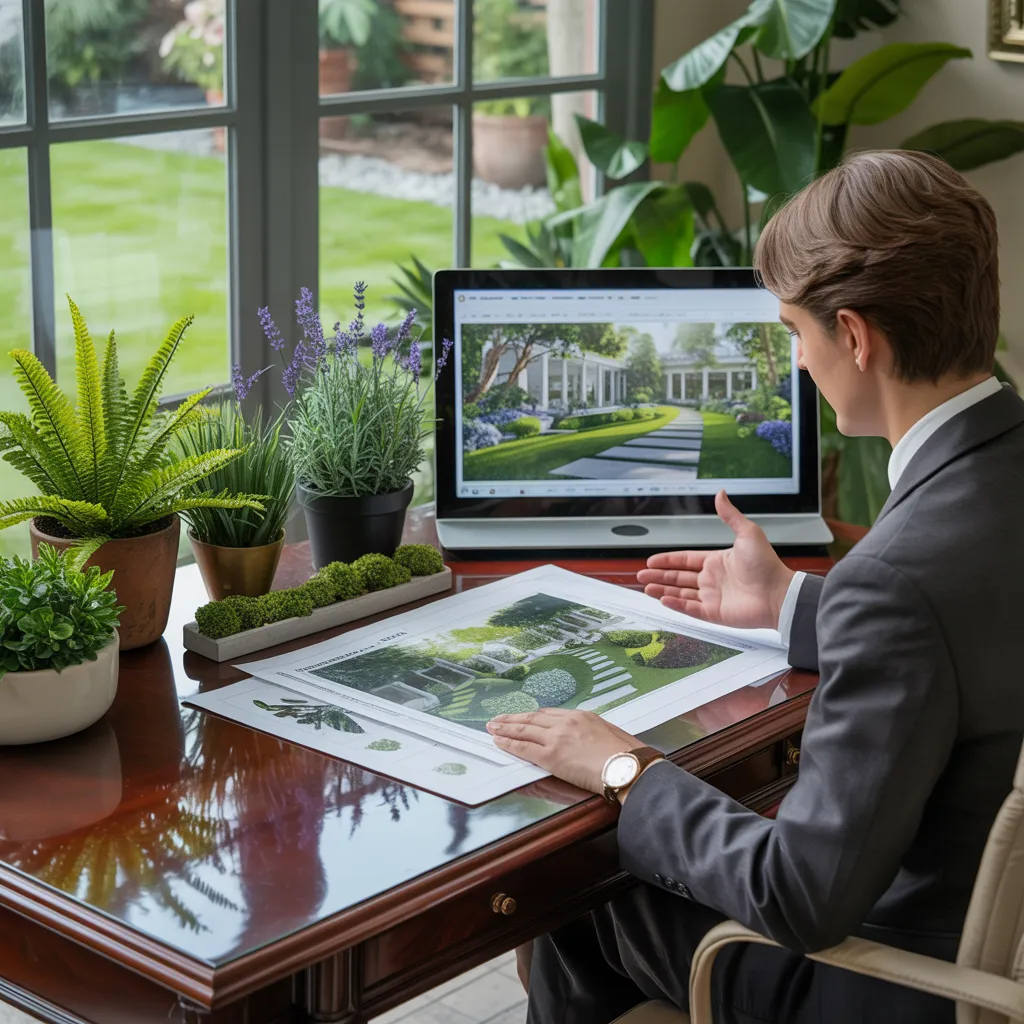
Analyze Your Yard to Set Your Landscape Design Goals
Before beginning any landscaping project, it is essential for homeowners to assess their outdoor space thoroughly. This first assessment allows them to comprehend the unique characteristics of their property, including light conditions, soil quality, and current plants. Identifying these factors helps in determining what types of landscape features can be effectively integrated into the area.
Homeowners should document measurements and record any obstacles including trees, fences, or walkways that could affect the design. Additionally, recognizing personal preferences and living requirements—such as entertainment spaces, gardening, or leisure—can guide the landscaping goals. By clearly defining these objectives, property owners create a solid foundation for a unified and practical exterior area. This careful assessment results in a greater and satisfying garden renovation, ensuring the outdoor space improves not just the home's aesthetic but also meets the functional requirements of its inhabitants.
Determine the Perfect Plant Selection for Your Local Environment
Selecting the right plants for a particular region is critical for establishing a thriving outdoor space. Understanding regional climate conditions, such as heat levels, rainfall, and humidity, helps homeowners choose vegetation that will thrive. Indigenous vegetation typically adjust most effectively, requiring minimal maintenance and water. As an instance, water-efficient plants are perfect for arid regions, while moisture-loving species flourish in moisture-rich environments.
Gardeners should further take into account seasonal changes; selecting vegetation that offers continuous appeal enhances the landscape. Early bloomers, summer perennials, and colorful autumn leaves can create a striking visual display. Additionally, consulting local gardening centers or extension services can offer helpful information into durable vegetation adapted for particular regions.
Finally, a strategically designed vegetation arrangement improves not only visual appeal but also promotes native fauna and advances environmental sustainability, making it a smart decision for any outdoor space transformation.
Elevate Your Garden Through Useful Hardscape Additions
Functional hardscaping elements serve as essential components in defining outdoor spaces and enhancing their usability. By incorporating seating areas and thoughtfully constructed walkways, homeowners can create inviting environments that encourage leisure and circulation. Additionally, edging can define different zones within the garden, adding structure and visual interest.
Structure Your Exterior Environment
Creating a thoughtfully laid out outdoor space can reimagine a yard into a welcoming retreat. One effective technique to achieve this is through functional hardscaping elements, which establish structure and visual order. Pathways made from stone or masonry guide guests while adding visual interest. Retaining structures can establish tiered levels, improving the landscape's appearance and preventing soil loss. Fencing or trellises can delineate borders, ensuring seclusion and a sense of enclosure. Incorporating raised garden beds not only establishes growing zones but also makes them more accessible. These elements operate in harmony to establish separate areas that enhance both aesthetics and functionality. Ultimately, a well-defined outdoor space fosters a serene environment where homeowners can unwind and appreciate the outdoors.
Add Seating Zones
Incorporating seating areas into an exterior environment greatly improves its functionality and attractiveness. By adding practical hardscape features, homeowners can create inviting spots for relaxation, socializing, or enjoying nature. Options include benches, patio sets, or hammocks, each contributing to the garden's aesthetic and coziness. Thoughtfully positioning chairs near focal points, such as flower beds or water features, prompts visitors to interact with their environment. Additionally, using materials like stone or wood can complement the garden's design, maintaining visual unity. Shade structures, such as arbors or parasols, offer relief during warmer months, ensuring these spaces are functional year-round. Ultimately, well-designed seating areas convert a standard yard into a welcoming retreat for loved ones and guests.
Create Pathways And Borders
Walkways and borders serve as important elements in outdoor landscaping, moving guests around the garden while boosting its design quality. These produce direction and arrangement, facilitating the recognition of various regions and plant choices. Stone, brick, or gravel selections can create durable routes, and borders made with landscaping or decorative screens enhance beauty. Exploration is encouraged by pathways, which focus attention on elements like flower beds or water features. Properly maintained borders stop weed encroachment and ground deterioration, boosting garden health. Adding pathways and borders increases practicality and increases aesthetic beauty in your outdoor space, transforming locations into more attractive and delightful settings.
Establish Flow With Walkways and Seating Spots
A thoughtfully designed exterior area regularly showcases a cohesive circulation created through strategically arranged pathways and rest areas. Pathways lead people throughout the garden, developing a strong sense of navigation while improving the aesthetic appeal. Applying selections including gravel, stone, or wood can improve the path's beauty and support durability.
Sitting spaces create pause areas, inviting guests to sit and value the surroundings. Positioning seating strategically beside focal features, like a waterfall or a flower display, promotes involvement with the garden. Your seating preference—benches, chairs, or even lounges—influences the vibe, whether casual or sophisticated.
Blending pathways and seating zones creates an appealing atmosphere, improving practicality and satisfaction. Used together, they form a fluid movement across multiple regions of the garden, inspiring wandering and peace, finally converting any outdoor location into a serene hideaway.
Enhance Your Landscape With Seasonal Hues and Variety
To boost the decorative value of a garden, strategic selection of seasonal species is vital. Mixing contrasting surface qualities can establish dimension and appeal, while intentionally positioned centers of interest can grab focus and establish a harmonious arrangement. These components in combination promise a vibrant and active outdoor area across the year.
Choose Seasonal Plants Wisely
Picking season-specific plants carefully can transform any garden into a vibrant tapestry of color and texture. By opting for plants with varied blooming seasons, gardeners can guarantee a continuous display of beauty. Spring flowers, summer color plants, autumn bloomers, and winter foliage plants each contribute unique hues and forms to the landscape. It is essential to take into account area-specific climate and soil characteristics, as well as the plants' growth habits. Native species often flourish with reduced upkeep needs, enhancing biodiversity. Additionally, combining plants with varying heights and bloom times can create a dynamic visual effect. Ultimately, deliberate plant selection fosters a landscape that transforms seasonally, providing beautiful scenes every season.
Establish Multiple Textures For Depth
Making depth in a garden involves blending textures that harmonize with and boost seasonal colors. By incorporating a variety of plants with differing foliage shapes, sizes, and colors, one can achieve a visually dynamic landscape. For instance, the use of broad-leaved plants alongside fine-textured grasses can produce visual contrast and allure. Additionally, integrating bark, stones, and other natural materials presents tactile elements that strengthen the garden experience. Seasonal blooms should be strategically situated to provide bursts of color throughout the year, ensuring that each layer remains visually interesting. This thoughtful arrangement not only captures attention across the landscape but also builds an engaging setting where every detail contributes to the garden's beauty and harmony.
Feature Focal Points Deliberately
Carefully adding focal points can markedly enhance a garden's visual beauty and seasonal color. These key elements serve as anchors that draw the eye and create a cohesive design. Gardeners can use elements such as sculptures, ornamental trees, or vibrant flower beds to create visual interest. Seasonal color can be incorporated through the thoughtful choice of plants with varied bloom periods, guaranteeing the garden stays vibrant all year long. Texture variations also matter greatly; mixing sleek pathways with textured bark or verdant leaves adds depth. By thoughtfully placing these elements, a gardener can create an inviting atmosphere that encourages exploration and appreciation, transforming an outdoor space into an engaging retreat.
Implement Sustainable Methods to Create a Healthy Garden
Embracing green approaches is crucial for fostering a vibrant garden that succeeds in alignment with the surroundings. Gardeners are urged to employ indigenous flora, which require minimal liquid and upkeep while supporting area creatures. Implementing sustainable cultivation practices, such as nutrient enrichment and natural pest control, can substantially cut synthetic inputs, building a stronger natural system
Water-efficient methods, like efficient water delivery and collecting rainwater, strengthen eco-friendliness by optimizing resource use. Mulching preserves water and also suppresses invasive vegetation, minimizing the demand for weed killers. Furthermore, promoting biological diversity by adding varied vegetation encourages strength against pest infestations along with plant diseases.
Soil condition is critical; strategies like crop cycling and cover crops sustain nutrient levels minus artificial nutrients. By utilizing these environmentally-conscious strategies, growing enthusiasts can develop an excellent environment that fosters vegetation and the environment, in-depth article creating a more rewarding growing experience.
Manage Typical Challenges for All-Season Garden Appeal
A well-kept landscaped area can confront many challenges across seasons, affecting its combined appearance plus health. Common issues involve pest issues, insufficient nutrients, along with water shortage. Recognizing pests quickly is essential; gardeners should frequently examine plant parts for damage indicators and address pest outbreaks applying natural pesticides or incorporating predatory insects.
Nutrient deficiencies frequently display as leaf yellowing and limited growth. Performing soil assessments can assist pin down particular requirements, making possible to enable precise fertilization to restore stability. Furthermore, ensuring proper irrigation is essential; over-irrigation can cause root damage, while underwatering stresses vegetation.
Seasonal shifts moreover demand modifications to maintenance. Throughout winter, applying mulch shields roots from frost, on the other hand warm months may require more water and shade for tender plants. By tackling such common issues promptly
Is it Better to Execute Landscape Projects Myself or Bring in a Landscaper?
You can definitely undertake garden work independently, leveraging web-based guides and your creativity. Yet, employing a specialist provides proficiency, effectiveness, and better outcomes, particularly for complicated projects or bigger undertakings that need professional expertise.
What Items Do You Must Have for Residential Landscaping?
Essential items for yard landscaping include a rake, garden shovel, spade, pruning shears, garden fork, and a irrigation hose or watering can. These equipment support efficiently manage dirt, garden plants, and comprehensive garden care, guaranteeing successful landscaping.
How Can I Effectively Preserve My Yard Over the Calendar Year?
To keep a yard vibrant all year long, frequently prune plants, spread protective mulch for insulation, track soil moisture, and apply seasonal planting plans. Furthermore, pest management and feeding are vital for flourishing, vibrant plants.